Solar Energy vs. Traditional Power: Which is Better for Pakistan?
For decades, Pakistan has relied on traditional energy sources like gas, oil, and coal to generate electricity. However, solar panels in Pakistan are becoming a popular alternative due to rising electricity prices and frequent power shortages. With growing concerns about pollution and climate change, switching to renewable energy like solar panel systems is no longer just an option—it’s a necessity.
The Problem with Traditional Energy in Pakistan
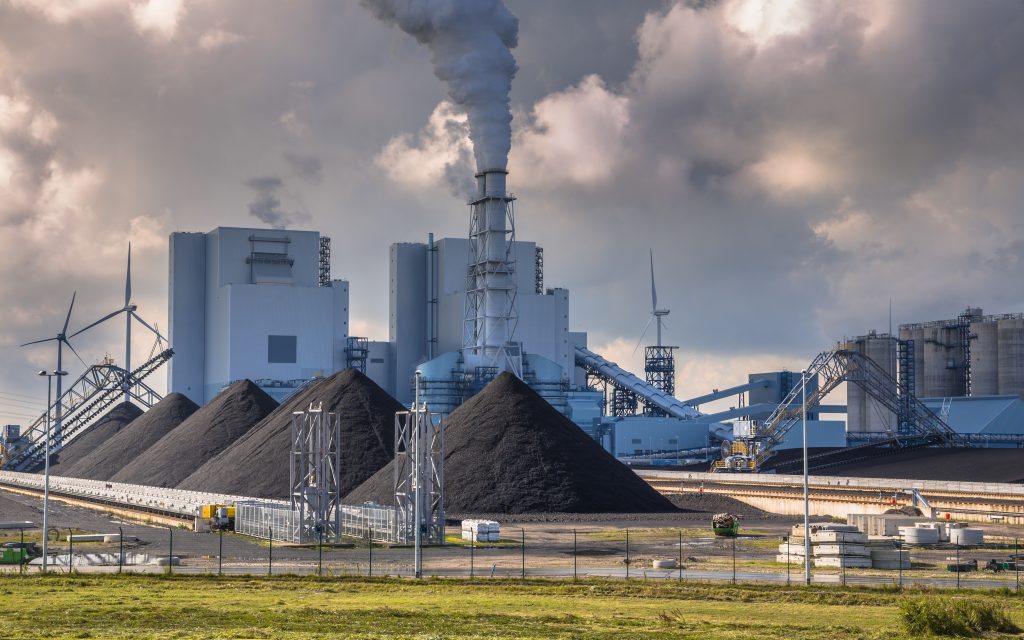
Traditional energy sources have powered Pakistan’s industries and homes for years, but they come with serious drawbacks:
- Expensive Electricity: The cost of electricity from the grid is constantly increasing due to fuel price fluctuations and import dependency.
- Load Shedding: Power outages are a common problem, especially in rural areas, affecting daily life and businesses.
- Environmental Damage: Burning fossil fuels leads to pollution, causing health issues like asthma and respiratory diseases.
- High Dependence on Imports: Pakistan imports a significant portion of its energy resources, making electricity costs unpredictable.
Due to these challenges, many people are looking for alternatives like solar panels in Pakistan, which offer long-term solutions to these problems.
Why Solar Energy is a Great Option for Pakistan
Solar panel systems use sunlight to generate electricity, providing a clean and renewable energy source. Pakistan, with its abundant sunshine, is an ideal location for solar power. Here’s why solar panels in Pakistan are gaining popularity:
- Lower Energy Bills: Once installed, solar panels significantly reduce electricity costs, making them a smart investment.
- No More Load Shedding: Solar systems with batteries allow households and businesses to have power even during outages.
- Government Incentives: The Pakistani government supports net metering, allowing users to sell extra electricity back to the grid and reduce their bills.
- Eco-Friendly: Solar power doesn’t pollute the air, making it a cleaner alternative to fossil fuels.
Solar Panel Price in Pakistan & Installation Costs
The main concern for most people is the solar panel price in Pakistan. The cost of a solar panel system depends on its size and quality. Here’s an estimate:
- 1kW system (suitable for small homes): PKR 50,000 – 100,000
- 3kW system (medium-sized home): PKR 120,000 – 170,000
- 5kW system (large home or business): PKR 170,000 – 300,000
- 10kW system (for commercial use): PKR 800,000 – 1500,000
While the initial investment may seem high, solar panels last 25-30 years, leading to long-term savings. Additionally, the government offers net metering options, allowing solar users to sell excess energy back to the grid.
Additional Costs to Consider
Before switching to solar energy in Pakistan, you should also consider:
- Battery Storage: If you want backup power during the night or cloudy days, adding batteries will increase costs.
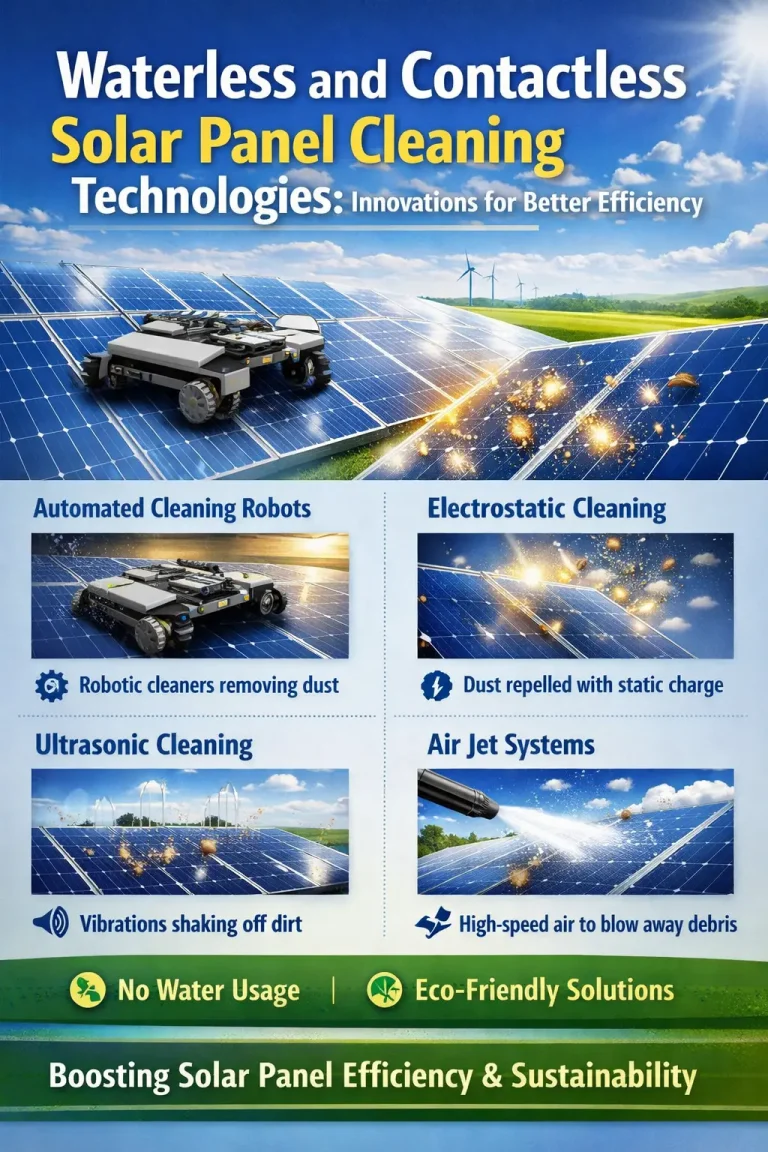
- Maintenance: Solar panels require occasional cleaning to maintain efficiency.
- Installation & Permits: Professional installation and net metering approval add extra expenses.
Despite these costs, solar panels in Pakistan provide significant long-term savings, making them a worthwhile investment.
Investing in Solar: A Smart Choice for Pakistan’s Future
With rising electricity costs and frequent load shedding, switching to solar energy in Pakistan is not just an environmentally friendly choice—it’s also a smart financial decision. Many businesses and homeowners are now installing solar panel systems to lower their energy bills and increase property value.
As technology advances, prices of solar in Pakistan are expected to decrease, making solar power even more accessible. Investing in solar today means securing a brighter, cost-effective, and energy-independent future for Pakistan.